Achilles Tendinopathy Treatment in Bearsden, Greater Glasgow: A Physiotherapy Guide
Understanding Achilles Tendinopathy
Achilles tendinopathy is a condition that affects the Achilles tendon, which connects the calf muscles to the heel bone. This condition can result in pain, stiffness, and swelling in the heel and the back of the ankle, significantly impacting daily activities and mobility. At Rebalance Physio Glasgow, located in Bearsden, Greater Glasgow, we provide comprehensive treatment options for individuals suffering from this debilitating condition.
What Causes Achilles Tendinopathy?
Achilles tendinopathy can be caused by several factors, including:
- Overuse: Repetitive activities such as running, jumping, or even prolonged walking can lead to micro-tears in the tendon.
- Biomechanical Issues: Poor foot mechanics, such as flat feet or high arches, can place excess strain on the Achilles tendon.
- Improper Footwear: Inadequate or worn-out shoes can contribute to tendon stress, especially in athletes.
- Aging: The Achilles tendon can degenerate over time, making it less resilient and more prone to injury.
- Sudden Changes in Activity Level: Rapidly increasing the intensity or frequency of exercise can overwhelm the tendon.
How Can I Treat Achilles Tendinopathy?
Treating Achilles tendinopathy typically involves a combination of rest, rehabilitation, and sometimes medical intervention. Here are some effective treatment options:
1. Rest and Activity Modification
Initially, it is crucial to reduce activities that cause pain. Resting allows the tendon to heal and reduces inflammation. In some cases, modifying your physical activity to low-impact exercises can help maintain fitness without aggravating the tendon.
2. Physiotherapy
Physiotherapy plays a vital role in managing Achilles tendinopathy. At Rebalance Physio Glasgow, our physiotherapists implement the following:
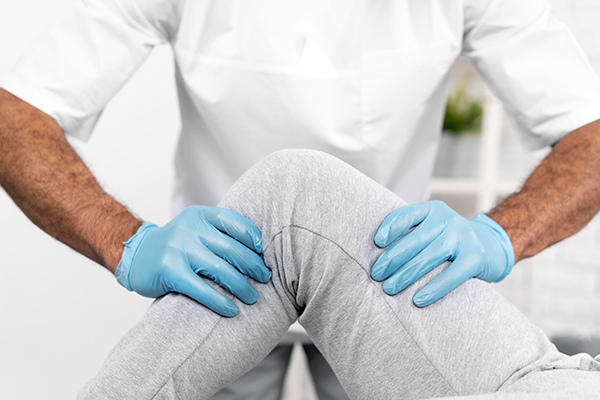
- Manual Therapy: Hands-on techniques help to alleviate pain and improve mobility.
- Stretching and Strengthening Exercises: Gradual strengthening of the calf muscles and stretching can enhance flexibility and improve tendon resilience.
- Biomechanical Assessment: Identifying and addressing any structural issues in your feet can lead to better alignment and function.
3. Orthotics
Custom foot orthotics may be beneficial for correcting misalignments and providing additional support, thus reducing strain on the Achilles tendon.
4. Ice and Compression
Applying ice to the affected area for 15-20 minutes several times a day can help reduce swelling and relieve pain. Compression wraps can also provide support.
5. Medication
Non-steroidal anti-inflammatory drugs (NSAIDs) can help to manage pain and inflammation. However, these should be used under the guidance of a healthcare provider.
6. Advanced Treatment Options
In persistent cases, other treatments like corticosteroid injections or shockwave therapy may be considered. Surgical options are typically reserved for severe cases where conservative treatments have failed.
When Should I Seek Professional Help?
If you experience persistent pain in the back of your ankle or heel, it’s essential to seek professional evaluation and treatment. Early intervention can prevent further injury and promote faster recovery.
Q&A: Common Questions About Achilles Tendinopathy
1. What are the symptoms of Achilles tendinopathy?
Common symptoms include pain along the back of the ankle, stiffness in the morning, swelling, and tenderness that worsens with activity.
2. How long does it take to recover from Achilles tendinopathy?
Recovery time may vary depending on the severity of the condition and the treatment approach, but most patients see improvement within six weeks to six months with appropriate management.
3. Can I still exercise with Achilles tendinopathy?
While some activities may exacerbate the condition, low-impact exercises can often be performed. It is crucial to consult a physiotherapist for tailored advice.
4. Will I need surgery for Achilles tendinopathy?
Surgery is typically considered a last resort if conservative treatments do not yield improvement. Most patients benefit from non-surgical interventions.
5. How can I prevent Achilles tendinopathy from recurring?
Wear appropriate footwear, gradually increase activity levels, and incorporate warm-up and stretching exercises into your routine to help avoid recurrence.
Conclusion
Achilles tendinopathy can be a challenging condition to manage, but with the right treatment and support, recovery is entirely possible. At Rebalance Physio Glasgow in Bearsden, Greater Glasgow, our team is dedicated to providing effective physiotherapy solutions tailored to your needs. If you’re experiencing symptoms of Achilles tendinopathy or have questions about your foot health, don’t hesitate to reach out.
Book your appointment today! Visit our contact page to schedule your consultation.