Calf Pain After Exercise: Muscle Strain, Tendon Problem or Something Else?
Understanding Calf Pain After Exercise
At Rebalance Physio Glasgow, located in Bearsden, Greater Glasgow, we often meet patients who experience calf pain after exercising. This discomfort can stem from various causes, including muscle strains, tendon issues, or other underlying ailments. Understanding the reasons behind your calf pain is crucial for effective treatment and prevention.
What Causes Calf Pain After Exercise?
Calf pain post-exercise can result from several factors. Here are the most common causes:
- Muscle Strain: Overexertion during physical activities can lead to muscle strains, characterized by micro-tears in the muscle fibers. This is prevalent in runners and athletes.
- Achilles Tendinopathy: This condition arises from overuse or inflammation of the Achilles tendon, leading to pain along the back of the leg and into the heel.
- Calf Cramps: Often due to dehydration or electrolyte imbalances, cramps can cause sudden, severe pain in the calf muscle during or after exercise.
- Deep Vein Thrombosis (DVT): Although rarer, DVT can cause calf pain and swelling due to a blood clot in a deep vein. Immediate medical evaluation is needed for this condition.
- Peripheral Artery Disease (PAD): PAD can lead to reduced blood flow to the legs and cause cramping and pain, especially during physical activities.
How Can I Identify the Type of Calf Pain I Have?
It’s essential to differentiate between types of calf pain to seek appropriate treatment. Here are some signs to help identify the cause:
- Muscle Strain: Pain generally localizes to a specific area in the calf and may worsen with movement.
- Achilles Tendinopathy: Symptoms often include stiffness in the morning, pain after physical activity, and swelling near the tendon.
- Calf Cramps: Cramps usually present as sudden, intense muscle tightness that can resolve relatively quickly.
- Signs of DVT: Look for swelling, redness, and a feeling of heat in the affected leg.
- Symptoms of PAD: Pain typically occurs during physical activity and may diminish during rest.
How Can I Treat Calf Pain After Exercise?
Treatment of calf pain largely depends on the underlying cause. Here are some general approaches:
- Rest: Allow your muscles to recover. Avoid strenuous activities that exacerbate the pain.
- Ice Therapy: Applying ice packs can help reduce swelling and alleviates pain in the affected area.
- Compression: Using compression bandages may aid in reducing swelling and providing support to the calf.
- Elevation: Elevating the leg can help minimize swelling and improve circulation.
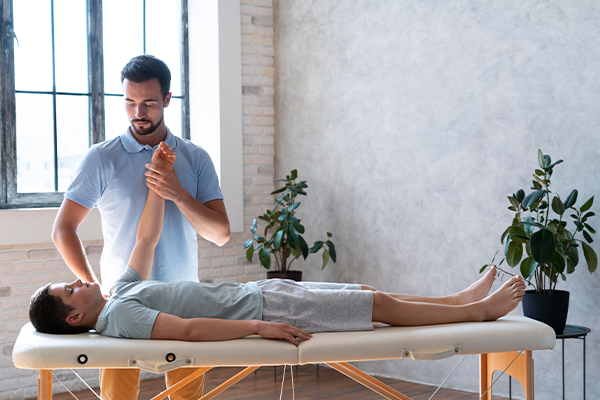
- Physical Therapy: At Rebalance Physio Glasgow, our clinicians can provide tailored exercises aimed at strengthening the calf muscles and improving flexibility.
- Medication: Non-steroidal anti-inflammatory drugs (NSAIDs) like ibuprofen can relieve pain and reduce inflammation.
- Proper Footwear: Ensuring you wear appropriate shoes can help avoid unnecessary strain on your calves during activities.
When Should I See a Doctor?
If you notice persistent or severe calf pain, especially if accompanied by swelling, warmth, or discoloration, it’s important to consult a healthcare professional. Early diagnosis and intervention can prevent further complications.
FAQs About Calf Pain After Exercise
- Q: Can dehydration cause calf pain after exercise?
A: Yes, dehydration can lead to muscle cramps, including calf cramps, during or after physical activity. - Q: Is it normal to have calf pain after every workout?
A: While some muscle soreness is normal post-exercise, persistent pain should be evaluated by a professional. - Q: What stretches can help alleviate calf pain?
A: Gentle calf stretches, such as the standing calf stretch or towel stretch, can enhance flexibility and relieve tightness. - Q: How can I prevent calf injuries during exercise?
A: Warm up appropriately, stay hydrated, wear suitable footwear, and gradually increase the intensity of your workouts. - Q: What is the role of physical therapy in treating calf pain?
A: Physical therapy can help you improve strength, flexibility, and biomechanics to prevent future injuries.
Conclusion
Calf pain after exercise can be a common yet distressing issue. Understanding the potential causes—whether it's a muscle strain, tendon problem, or something else—is essential for effective management. At Rebalance Physio Glasgow in Bearsden, Greater Glasgow, we are dedicated to helping you identify the underlying issues behind your calf pain and guiding you through appropriate treatment options. If you’re experiencing calf discomfort, don’t hesitate to book an appointment with us for a thorough assessment and personalized care. Contact us today!