Hamstring Injuries: How Long Do They Take to Heal and When Can You Return to Sport?
Understanding Hamstring Injuries
Hamstring injuries are common among athletes and may occur during activities that require sudden acceleration or deceleration, such as sprinting, jumping, or changing directions. At Rebalance Physio Glasgow in Bearsden, Greater Glasgow, we understand the concerns surrounding hamstring injuries, including healing timelines and safe return to sport.
What Causes Hamstring Injuries?
Hamstring injuries typically occur when the muscles at the back of the thigh become overstretched or torn. Common causes include:
- Sudden movements: Activities that involve sprinting or quick changes in direction can strain the hamstrings.
- Muscle fatigue: Tired muscles may be less capable of handling stress, increasing the risk of injury.
- Improper warm-up: Neglecting proper warm-up routines can make you more susceptible to strains.
Understanding these causes can help in prevention strategies and rehabilitation protocols.
What Are the Symptoms of a Hamstring Injury?
Symptoms of a hamstring injury can vary depending on the severity of the strain, which is generally classified into three grades:
- Grade 1: Mild strain with minimal muscle damage; symptoms include slight discomfort and tightness.
- Grade 2: Moderate strain with partial tears; symptoms may include more intense pain, swelling, and difficulty walking.
- Grade 3: Severe strain with complete muscle tear; symptoms include extreme pain, swelling, bruising, and inability to bear weight.
How Long Do Hamstring Injuries Take to Heal?
The healing time for hamstring injuries can vary widely based on the grade of the injury:
- Grade 1: Generally heals within 1 to 3 weeks.
- Grade 2: May take 3 to 6 weeks for full recovery.
- Grade 3: Healing can take 3 to 12 months, depending on the severity and treatment approach.
In general, younger athletes may heal faster than older individuals due to better healing capacity and overall conditioning.
How Can I Treat a Hamstring Injury?
Treatment of a hamstring injury typically involves:
- Rest: Avoid activities that cause pain to allow healing.
- Ice: Applying ice can help reduce pain and swelling.
- Compression: Using a compression bandage may help minimise swelling.
- Elevation: Keeping your leg elevated can assist in alleviating swelling.
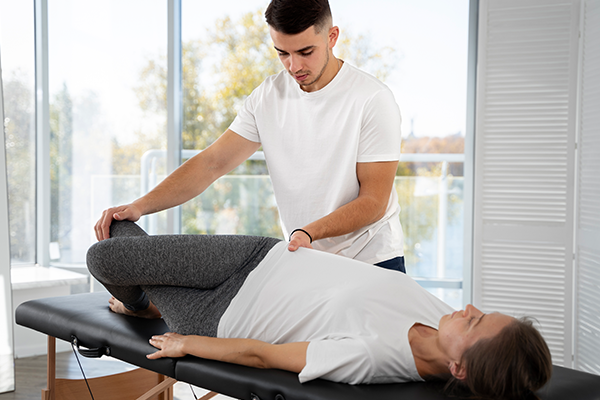
- Physical therapy: A tailored rehabilitation program may include stretching and strengthening exercises designed by your physio at Rebalance Physio Glasgow.
When Can I Return to Sport?
Returning to sport after a hamstring injury is contingent upon several factors:
- Injury Grade: As mentioned earlier, recovery time differs based on the level of injury.
- Symptom Resolution: Ensure that pain, swelling, and associated symptoms have resolved.
- Functional Recovery: You should regain your strength and flexibility before returning to sport, ideally verified by a physiotherapist.
At Rebalance Physio Glasgow, our experienced team can help determine the right time for your return based on a thorough assessment and functional tests.
Frequently Asked Questions
1. Can I still exercise with a hamstring injury?
It is essential to rest initially. Low-impact activities, like swimming or cycling, may be suitable as you progress, but always consult your physiotherapist first.
2. What stretches are safe for hamstring injuries?
Once the initial pain subsides, gentle stretching exercises can be introduced, but they should be guided by your physio to avoid further injury.
3. Do I need surgery for a hamstring tear?
Most hamstring injuries do not require surgery. Severe tears may need surgical intervention, particularly if there’s a complete rupture, but this will be assessed on an individual basis.
4. How can I prevent hamstring injuries in the future?
Incorporating proper warm-up exercises, strength training, and flexibility routines can significantly reduce the risk of re-injury.
5. Is it safe to return to sprinting after a hamstring injury?
Recovery and return to sprinting should be gradual and monitored. A comprehensive rehab regimen will enable a safe return to this activity.
Conclusion
If you suspect a hamstring injury or are seeking effective rehabilitation, our dedicated team at Rebalance Physio Glasgow in Bearsden, Greater Glasgow, is here to help. We offer evidence-based treatments aimed at speeding recovery and safely returning you to your active lifestyle. Book an appointment today and take the first step towards recovery!