Hip Pain Physiotherapy in Bearsden, Greater Glasgow: Causes, Treatment and Recovery
Hip Pain Physiotherapy in Bearsden, Greater Glasgow: Causes, Treatment and Recovery
At Rebalance Physio Glasgow, we understand that hip pain can significantly affect your quality of life. Residents of Bearsden, Greater Glasgow, often seek our expertise for effective physiotherapy to manage this debilitating condition. In this article, we will explore the causes, treatment options, and recovery strategies for hip pain to help you regain your mobility and comfort.
What Causes Hip Pain?
Hip pain can stem from a variety of underlying issues, including:
- Osteoarthritis: A degenerative joint disease that results in cartilage breakdown, leading to pain, stiffness, and inflammation.
- Tendinitis: Inflammation of the tendons surrounding the hip joint, often caused by overuse or repetitive strain.
- Bursitis: Inflammation of the bursae, small fluid-filled sacs that cushion the hip joint, typically due to injury or repetitive activities.
- Hip Fractures: Commonly associated with falls, especially in older adults, resulting in acute pain and difficulty walking.
- Labral Tears: Injuries to the cartilage lining the hip joint, which may cause pain and a locking sensation.
- Muscle Strains: Injuries to the muscles around the hip can result from sudden movements or overexertion.
How Can I Treat Hip Pain?
Treatment for hip pain often involves a combination of approaches tailored to the specific cause and severity of the symptoms. The following methods are commonly recommended by our physiotherapy experts at Rebalance Physio Glasgow:
1. Physiotherapy
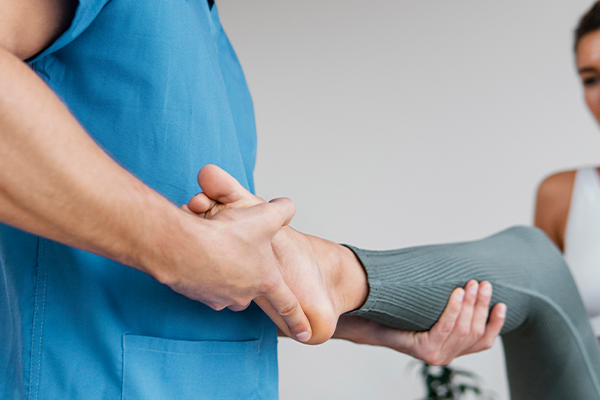
Physiotherapy is crucial in managing hip pain. Our skilled physiotherapists will perform a thorough assessment to create a personalized treatment plan. This may include:
- Manual Therapy: Hands-on techniques to improve joint mobility and reduce pain.
- Targeted Exercises: Strengthening and flexibility exercises to support the hip joint and alleviate discomfort.
- Modalities: Techniques such as ultrasound or electrical stimulation can aid in pain relief and promote healing.
2. Pain Management
Over-the-counter pain relievers, such as ibuprofen or acetaminophen, may provide temporary relief. For chronic pain, our physiotherapists may recommend specific medications or injections for more significant inflammation reduction.
3. Lifestyle Modifications
Adapting your daily activities can also aid recovery. Consider maintaining a healthy weight to reduce stress on your hips, incorporating low-impact exercises (such as swimming or cycling), and avoiding activities that exacerbate pain.
4. Surgical Options
In cases where conservative treatments fail, surgical interventions, such as hip arthroscopy or joint replacement, may be considered. This option is typically reserved for severe cases and will be discussed thoroughly with you if necessary.
What Can I Expect During Recovery?
Recovery from hip pain varies depending on the underlying cause and the treatment approach. Generally, the following stages can be anticipated:
- Initial Rest: Reducing activity to allow inflammation to subside is essential, often lasting a few days to weeks.
- Rehabilitation Phase: Under the supervision of our physiotherapists, you will engage in targeted exercises to regain strength and flexibility.
- Gradual Return to Activity: You will progressively reintroduce daily activities and exercise as your hip improves, under professional guidance.
- Long-term Management: Ongoing exercise and lifestyle changes play a vital role in preventing recurrence and maintaining joint health.
FAQs about Hip Pain and Physiotherapy
1. How do I know if I need physiotherapy for my hip pain?
If you experience persistent hip pain affecting your mobility or daily activities, physiotherapy can provide relief and functional improvement.
2. How long will it take to see results from physiotherapy?
Results vary, but many patients notice improvement within a few sessions. Consistent attendance and adherence to the prescribed exercise program are vital for success.
3. Can hip pain be completely resolved?
Many individuals experience significant relief with proper treatment, though some conditions may persist and require ongoing management.
4. What type of exercises are good for hip pain?
Low-impact activities like swimming, cycling, and specific stretching or strengthening exercises prescribed by your physiotherapist can help.
5. Should I continue to exercise with hip pain?
Consult with a physiotherapist before continuing exercise. They can recommend modifications to avoid aggravating your condition.
Conclusion
At Rebalance Physio Glasgow, we are committed to helping you manage and recover from hip pain effectively. If you are a resident of Bearsden, Greater Glasgow, experiencing hip pain, our team is here to provide expert physiotherapy tailored to your needs. Don’t let hip pain dictate your life; schedule an appointment today and take the first step towards a pain-free future!