Hip Pain When Walking: Common Causes and How Physiotherapy Can Help
Understanding Hip Pain When Walking
If you're experiencing hip pain when walking, you're not alone. Many individuals face this challenge, which can significantly impact mobility and quality of life. At Rebalance Physio Glasgow, located in Bearsden, Greater Glasgow, we understand the complexities of hip discomfort and the implications it can have on daily activities. This article aims to provide insights into the common causes of hip pain and how physiotherapy can facilitate recovery.
What Causes Hip Pain When Walking?
Hip pain can stem from various sources. Identifying the underlying cause is vital for effective treatment. Here are some common causes of hip pain:
- Osteoarthritis: A degenerative joint disease that affects the cartilage in the hip joint, leading to pain and stiffness.
- Tendinopathy: Inflammation or injury of the tendons around the hip, commonly affecting the gluteal tendons.
- Bursitis: Inflammation of the bursa, small fluid-filled sacs that cushion the hip joint, which can result from repetitive motion or injury.
- Labral Tears: Tears that occur in the cartilage of the hip joint, which can cause pain and a catching sensation during movement.
- Hip Impingement: Abnormal contact between the hip joint bones that can lead to pain, particularly with certain movements.
How Can I Treat Hip Pain?
Treatment for hip pain is tailored to the specific cause of discomfort and may include physical therapy, medication, or lifestyle changes. Here’s how physiotherapy can help:
The Role of Physiotherapy in Hip Pain Management
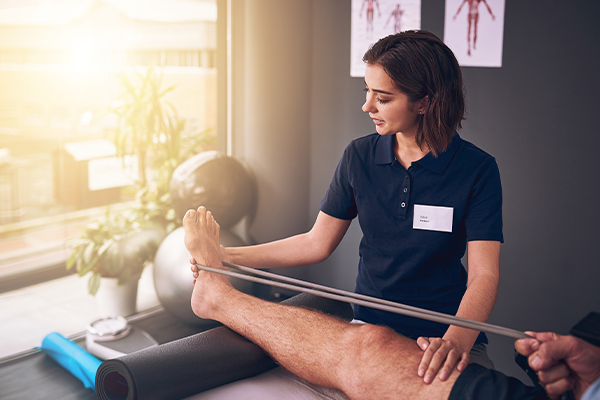
Physiotherapy focuses on alleviating pain and restoring function through a variety of evidence-based techniques. Here are the key components:
- Assessment: A comprehensive evaluation by a qualified physiotherapist to determine the exact cause of your hip pain.
- Targeted Exercises: Personalized exercise programs aimed at strengthening the muscles around the hip joint, improving flexibility, and enhancing overall mobility.
- Manual Therapy: Hands-on techniques that help to reduce pain and increase range of motion. This may include joint mobilization and soft tissue manipulation.
- Education: Guidance on proper body mechanics, ergonomics, and lifestyle modifications to prevent further injury and facilitate healing.
- Modalities: Use of therapeutic modalities such as ultrasound or electrical stimulation for pain relief and muscle relaxation.
Is It Serious? When Should I See a Doctor?
While not all hip pain is a sign of a serious issue, certain symptoms may warrant immediate medical attention. Seek professional help if you experience:
- Persistent or worsening pain that disrupts daily activities
- Swelling or significant bruising around the hip
- Difficulty bearing weight or walking
- Signs of infection, such as fever or redness
Preventing Hip Pain
Preventive measures can effectively reduce the likelihood of hip pain. Consider the following strategies:
- Engage in regular physical activity to strengthen hip muscles.
- Maintain a healthy weight to alleviate stress on your hip joints.
- Wear supportive footwear that promotes proper alignment.
- Incorporate flexibility exercises to enhance range of motion.
Frequently Asked Questions (FAQ)
1. Can hip pain resolve on its own?
In some cases, mild hip pain may resolve independently with rest and self-care. However, persistent or severe pain should be evaluated by a healthcare professional.
2. How long does physiotherapy take to show results?
The duration of physiotherapy varies by individual and the specific condition. Many patients begin to notice improvement within a few weeks of starting treatment.
3. Will I need surgery for my hip pain?
Not all hip pain requires surgical intervention. Many conditions can be effectively managed with physiotherapy and conservative treatment options.
4. What can I do at home for hip pain relief?
At-home strategies include applying ice to reduce inflammation, performing gentle stretching exercises, and using over-the-counter pain relief medications as per the recommendations of a healthcare provider.
5. Is physical activity safe for my hip pain?
Physical activity is generally encouraged for hip pain, but it’s essential to choose low-impact exercises and consult a physiotherapist for a tailored exercise plan that avoids aggravation.
Conclusion: Restore Your Mobility Today
At Rebalance Physio Glasgow in Bearsden, Greater Glasgow, we’re dedicated to helping you regain your mobility and alleviate hip pain through personalised physiotherapy programs. If you’re suffering from hip pain when walking, don’t hesitate to reach out to our expert team. Together, we can find the right path to recovery for you.
To learn more about our services or schedule an appointment, please visit our contact page.