
luteal Tendinopathy: A Common Cause of Pain on the Outside of the Hip
Luteal Tendinopathy: Overview
Luteal tendinopathy is increasingly recognized as a common condition that contributes to pain on the outside of the hip. At Rebalance Physio Glasgow, located in Bearsden, Greater Glasgow, we often encounter patients suffering from this uncomfortable ailment. Understanding luteal tendinopathy is crucial for effective diagnosis and management, especially for those involved in physical activities or sports.
What is Luteal Tendinopathy?
Luteal tendinopathy primarily affects the gluteus medius and minimus tendons, which are critical for stabilizing the hip and pelvis. These tendons become inflamed or degenerated due to overuse, injury, or degenerative processes, leading to pain on the lateral side of the hip.
What Causes Luteal Tendinopathy?
Several factors can contribute to the development of luteal tendinopathy:
- Overuse: Repetitive activities, such as running, cycling, and certain sports, can place excessive strain on the hip tendons.
- Poor Biomechanics: Abnormal walking patterns, leg length discrepancies, or muscle imbalances can increase the risk of injury.
- Age: As individuals age, tendon elasticity decreases, making the tendons more susceptible to degeneration.
- Injury: Acute injuries to the hip area can lead to inflammation and subsequent tendinopathy.
What are the Symptoms of Luteal Tendinopathy?
The hallmark symptom of luteal tendinopathy is pain located on the outer aspect of the hip. This pain may radiate down the thigh and could be accompanied by tenderness when pressure is applied. Other symptoms include:
- Stiffness in the hip joint
- Weakness in the affected leg
- Pain during activities, such as walking, climbing stairs, or lying on the affected side
How is Luteal Tendinopathy Diagnosed?
At Rebalance Physio Glasgow, our experienced physiotherapists will perform a thorough assessment, including:
- A detailed medical history
- Physical examination to assess pain levels, mobility, and strength
- Diagnostic imaging, such as ultrasound or MRI, may be utilized to evaluate the extent of tendon damage.
How Can I Treat Luteal Tendinopathy?
Effective treatment of luteal tendinopathy often involves a combination of approaches tailored to the individual’s needs:
- Rest and Activity Modification: Reducing activities that exacerbate symptoms can help facilitate healing.
- Physical Therapy: Specific exercises to strengthen the hip muscles and improve flexibility may be recommended.
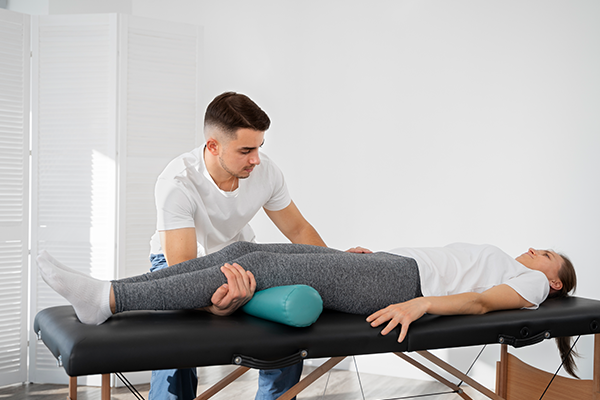
- Manual Therapy: Techniques to relieve pain and promote healing may be utilized during physiotherapy sessions.
- Shockwave Therapy: This non-invasive treatment can stimulate tendon repair and help alleviate pain.
- Medication: Nonsteroidal anti-inflammatory drugs (NSAIDs) may be prescribed to reduce inflammation and pain.
What can I do at Home to Manage Symptoms?
In addition to professional treatment, there are several strategies you can implement at home:
- Apply ice packs to the painful area to reduce inflammation.
- Engage in gentle stretching and strengthening exercises as advised by your physiotherapist.
- Consider using supportive footwear to promote better biomechanics.
- Maintain a healthy weight to avoid additional stress on the hip joints.
When Should I See a Doctor?
If you experience persistent pain in the hip area or if symptoms worsen despite home management, it's advisable to consult a healthcare professional. Early diagnosis and intervention can significantly enhance recovery outcomes.
Frequently Asked Questions about Luteal Tendinopathy
1. Can luteal tendinopathy heal on its own?
While some mild cases may improve with rest and conservative management, it is advisable to seek professional treatment to ensure proper healing and prevent recurrence.
2. Is surgery necessary for luteal tendinopathy?
Surgery is rarely required and is typically considered only if conservative treatment fails to relieve symptoms after several months.
3. Are there specific exercises I should avoid?
Avoid activities that cause pain or discomfort, particularly those that involve excessive hip strain, such as running or heavy lifting, until cleared by a physiotherapist.
4. How long does recovery take?
Recovery time varies based on the severity of the condition and adherence to treatment; most patients notice significant improvement within six to twelve weeks.
5. Can I still exercise if I have luteal tendinopathy?
While high-impact activities may need to be avoided, low-impact exercises like swimming or cycling can often be acceptable; consult with your physiotherapist for guidance.
Conclusion
Luteal tendinopathy is a manageable condition that requires proper diagnosis and evidence-based treatment. If you're experiencing hip pain and seeking support, the team at Rebalance Physio Glasgow is here to help. Located in Bearsden, Greater Glasgow, we can provide tailored physiotherapy solutions to facilitate recovery and improve your mobility.
To schedule an appointment or learn more about our services, please contact us today.