Pain on the Outside of Your Knee? Understanding IT Band-Related Pain
Pain on the Outside of Your Knee? Understanding IT Band-Related Pain
If you're experiencing pain on the outside of your knee, you're not alone. Many individuals, particularly those who engage in running, cycling, or other high-impact sports, often encounter pain linked to the iliotibial (IT) band. At Rebalance Physio Glasgow in Bearsden, Greater Glasgow, we aim to help you understand this condition and explore potential treatments.
What is the IT Band?
The IT band is a thick band of fibrous tissue that runs along the outside of the thigh, extending from the hip to the shin. It plays a critical role in stabilising the knee during movement. When this band becomes tight or inflamed, it can lead to a condition known as IT band syndrome, which is a common cause of lateral knee pain.
What Causes IT Band-Related Pain?
IT band-related pain typically originates from several factors, including:
- Overuse: Repetitive activities, especially running or cycling, can create friction between the IT band and the outer part of the knee.
- Biomechanical Issues: Poor alignment of the lower limbs, flat feet, or improper footwear may contribute to IT band irritation.
- Weakness or Imbalance: Weakness in the hip or gluteal muscles can result in increased strain on the IT band.
- Training Errors: Sudden increases in activity level or improper warm-up and stretching can exacerbate the condition.
How Can I Recognize IT Band Syndrome?
Patients with IT band syndrome often report the following symptoms:
- A sharp, aching pain on the outside of the knee, particularly during activities like running or climbing stairs.
- Swelling or tenderness in the affected area.
- Stiffness, particularly after prolonged sitting or inactivity.
- Increased discomfort with repetitive motions, which may decrease with rest.
How Can I Treat IT Band-Related Pain?
Treating IT band syndrome often requires a multifaceted approach:
- Rest: Allowing time for the condition to heal is crucial. Avoid activities that trigger pain.
- Ice Therapy: Applying ice packs to the affected area can help reduce inflammation and alleviate pain.
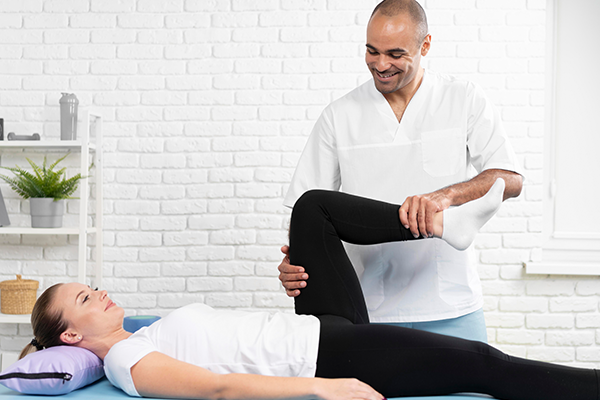
- Physical Therapy: Engaging in targeted exercises can help strengthen weak areas, improve flexibility, and correct biomechanical issues.
- Stretching: Regular stretching of the hip, thigh, and calf muscles can help relieve tension on the IT band.
- Footwear and Orthotics: Ensuring you wear suitable footwear or custom orthotics may correct structural issues.
When Should I See a Podiatrist?
If symptoms persist despite conservative management or worsen over time, it is essential to consult a healthcare professional. At Rebalance Physio Glasgow, our trained podiatrists can evaluate your condition, offer tailored treatment options, and guide you through your recovery process.
What Lifestyle Changes Can Help Prevent IT Band Syndrome?
To prevent future occurrences of IT band syndrome, consider implementing these lifestyle changes:
- Gradual Training Progression: Increase your activity levels gradually to avoid sudden stress on the knee.
- Cross-Training: Include low-impact exercises, such as swimming or cycling, in your routine to reduce strain.
- Proper Warm-Up: Always perform dynamic stretching and warm-up exercises before engaging in physical activities.
- Strengthening Exercises: Focus on strengthening the hip and gluteal muscles through specific exercises.
Frequently Asked Questions (FAQ)
1. Can IT band syndrome heal on its own?
In many cases, IT band syndrome can improve with rest and conservative management. However, persistent pain should be evaluated by a healthcare professional.
2. Are there specific exercises that can help with IT band pain?
Yes, specific stretching and strengthening exercises targeting the hip, thigh, and core can significantly help alleviate pain and prevent recurrence.
3. Is surgery necessary for IT band syndrome?
Most cases of IT band syndrome can be managed conservatively. Surgery is typically considered a last resort if non-surgical methods fail.
4. How can I tell if my IT band is tight?
You may experience restricted movement and pain on the outer knee or thigh, particularly during physical activity, if your IT band is tight.
5. What role does footwear play in IT band pain?
Improper footwear can affect your biomechanics, potentially leading to increased strain on the IT band. Proper supportive shoes or custom orthotics can help correct these issues.
In conclusion, understanding IT band-related pain is crucial for effective management and prevention. If you're struggling with knee pain in Bearsden or surrounding areas, don’t hesitate to reach out to Rebalance Physio Glasgow for a comprehensive assessment and individualized treatment plan. Our dedicated team is here to help you reclaim your mobility and quality of life. Book your appointment today!