Should You Exercise With Sciatica? What Helps and What Should You Avoid?
Introduction
If you're experiencing discomfort from sciatica, you may be wondering whether exercising could help alleviate your symptoms. At Rebalance Physio Glasgow, located in Bearsden, Greater Glasgow, we understand the complexities of sciatica and its impact on your daily life. In this blog post, we will discuss whether you should exercise with sciatica, what type of exercises may help you, and which activities to avoid to prevent exacerbating your pain.
What is Sciatica?
Sciatica refers to a set of symptoms resulting from the compression or irritation of the sciatic nerve, which runs from the lower back down through the legs. Common causes include:
- Herniated Discs: Discs that bulge or rupture can compress the sciatic nerve.
- Spinal Stenosis: Narrowing of the spinal canal can lead to nerve compression.
- Bone Spurs: Growths on the vertebrae may put pressure on the sciatic nerve.
- Muscle Spasms: Tight muscles in the buttocks can irritate the nerve.
Should You Exercise With Sciatica?
Engaging in certain exercises can be beneficial for managing sciatica, but it is essential to approach physical activity with caution. Regular, low-impact exercise can help strengthen muscles, improve flexibility, and promote blood flow to the affected areas, which may aid in recovery.
Benefits of Exercising with Sciatica
- Relief from Pain: Exercise can release endorphins, natural pain relievers produced by your body.
- Improved Mobility: Stretching and strengthening exercises enhance flexibility and range of motion.
- Reduced Muscle Tension: Physical activity can alleviate muscle tightness that may contribute to sciatica symptoms.
- Overall Well-being: Regular exercise promotes mental well-being and reduces the risk of chronic conditions.
What Types of Exercise Are Safe?
Before starting any exercise program, you should consult with a healthcare professional, especially if you have existing conditions related to sciatica. Here are some safe exercise options:
- Walking: A gentle walk can help maintain mobility without putting undue stress on your back.
- Stretching: Gentle stretches targeting the back, hip flexors, and hamstrings can provide relief. Consider stretches such as the piriformis stretch or knee-to-chest stretch.
- Pilates or Yoga: These disciplines focus on core strength and flexibility, which can support spinal health.
- Swimming: The buoyancy of water reduces strain on your spine and joints, making swimming an excellent low-impact option.
What to Avoid When Exercising with Sciatica?
While exercise is often beneficial, some activities can exacerbate sciatica symptoms. Here are exercises and movements to avoid:
- Heavy Lifting: Lifting heavy weights can increase pressure on your spine and worsen your condition.
- High-Impact Exercises: Activities like running, jumping, or any sports that involve sudden movements can cause further injury.
- Prolonged Sitting: Sitting for extended periods can aggravate sciatica. Try to take breaks and stretch regularly.
- Twisting Movements: Activities that require significant twisting of the lower back may put additional strain on your spine.
How Can I Treat Sciatica at Home?
In addition to exercise, there are several at-home treatments that can complement your recovery:
- Heat and Ice Therapy: Use heat pads and ice packs to reduce inflammation and relieve pain.
- Over-the-Counter Pain Relief: Nonsteroidal anti-inflammatory drugs (NSAIDs) like ibuprofen can help alleviate discomfort.
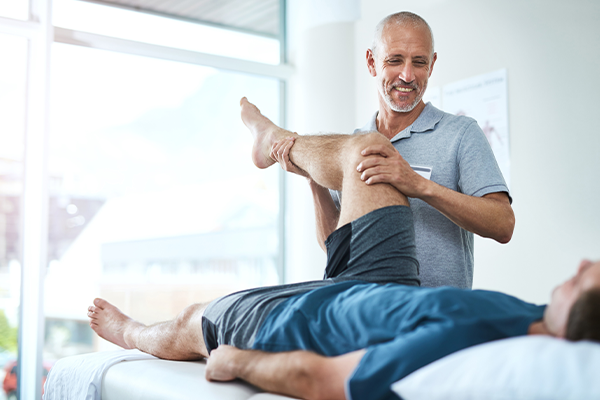
- Physical Therapy: Working with a physiotherapist can provide you with a tailored exercise program to strengthen your back and alleviate sciatica discomfort.
Frequently Asked Questions (FAQ)
Can sciatica go away on its own?
Yes, many cases of sciatica resolve on their own with time, although exercises and stretches can expedite recovery.
Is walking good for sciatica pain?
Walking is generally a safe and effective way to alleviate sciatica pain, promoting movement without heavy strain.
Can stretching make sciatica worse?
While gentle stretching can relieve tension, aggressive or improper stretches may exacerbate symptoms. Always consult a professional.
When should I seek medical advice for sciatica?
If you experience severe pain, loss of bowel or bladder control, or weakness in the legs, it's essential to seek medical attention immediately.
How can a physiotherapist help with sciatica?
A physiotherapist can assess your condition and create a personalized treatment plan that may include exercises, manual therapy, and education on body mechanics.
Conclusion
Exercising with sciatica can be beneficial, but it’s vital to choose the right types of activity and consult with a healthcare professional. At Rebalance Physio Glasgow in Bearsden, Greater Glasgow, we offer specialized services to help you manage your sciatica effectively. If you're looking for personalized treatment and advice on managing your condition, book an appointment with us today.