Shoulder Pain Physiotherapy in Glasgow: Rotator Cuff Pain, Stiffness and What to Do Next
Shoulder Pain Physiotherapy in Glasgow: Rotator Cuff Pain, Stiffness and What to Do Next
Welcome to Rebalance Physio Glasgow, situated in Bearsden, Greater Glasgow. Shoulder pain can significantly impact daily activities, and understanding its causes and treatments is crucial for recovery. In this article, we will explore the common causes of shoulder pain, focusing on rotator cuff injuries, the associated symptoms, and effective treatment options.
What Causes Shoulder Pain?
Shoulder pain can arise from various conditions, with rotator cuff injuries being among the most prevalent. The rotator cuff consists of a group of muscles and tendons that stabilize the shoulder joint and enable its wide range of motion. Common causes of shoulder pain include:
- Rotator Cuff Tears: A tear can occur due to acute injuries or gradual wear and tear.
- Tendinitis: Overuse or repetitive motions can lead to inflammation of the rotator cuff tendons.
- Bursitis: Inflammation of the bursa — a small fluid-filled sac cushioning the rotator cuff — can result in pain and stiffness.
- Frozen Shoulder: This condition involves stiffness and pain, often limiting range of motion.
- Arthritis: Osteoarthritis or rheumatoid arthritis can affect the shoulder joint, leading to discomfort.
What Are the Symptoms of Rotator Cuff Pain?
Recognising the symptoms of rotator cuff pain is essential for timely intervention. Common symptoms include:
- Pain: Often felt in the shoulder and can radiate down the arm.
- Stiffness: Difficulty in lifting the arm or performing overhead activities.
- Weakness: Loss of strength in the shoulder, making it challenging to perform daily tasks.
- Clicking or Popping Sound: Experienced while moving the shoulder.
How Can I Treat Rotator Cuff Pain?
Treatment for rotator cuff pain typically begins with conservative measures. Here are some evidence-based approaches:
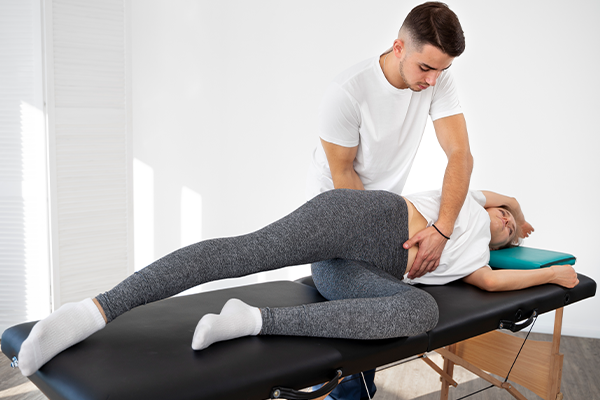
- Physiotherapy: Engaging with a qualified physiotherapist can lead to tailored rehabilitation programs that focus on strengthening and gaining flexibility.
- Ice Therapy: Applying ice packs to the affected area can help reduce swelling and alleviate pain.
- Medication: Over-the-counter pain relievers, like ibuprofen or acetaminophen, can manage pain and inflammation.
- Rest: Avoiding activities that exacerbate pain can speed up recovery.
- Exercise: Gradual strength-building and stretching exercises are essential in restoring functionality.
When Do I Need to See a Physiotherapist?
If your shoulder pain persists for more than a few days, worsens, or is accompanied by other concerning symptoms (such as numbness or tingling), it is important to seek the expertise of a physiotherapist. At Rebalance Physio Glasgow, our experienced therapists can evaluate your condition, provide a comprehensive treatment plan, and guide you on the road to recovery.
Preventive Measures for Shoulder Pain
Preventing shoulder pain involves a combination of lifestyle modifications and ergonomic practices:
- Proper Posture: Maintaining correct posture while sitting or standing can alleviate strain on the shoulders.
- Warm-Up Techniques: Engaging in proper warm-up routines before physical activity can reduce the risk of injuries.
- Avoid Heavy Lifting: Correct techniques should always be used when lifting heavy objects to avoid undue stress on the shoulder.
- Regular Exercise: Consistent strength training and stretching can keep the shoulder muscles balanced.
Frequently Asked Questions (FAQ)
1. What are common treatments for rotator cuff injuries?
Treatments often include physiotherapy, anti-inflammatory medications, and, in severe cases, surgical options.
2. How long does it take to recover from rotator cuff pain?
Recovery time varies based on injury severity. Generally, mild injuries may heal within a few weeks, while more severe cases may take several months.
3. Can I continue exercising with shoulder pain?
It depends on the level of pain. It's best to consult a physiotherapist to ensure you’re not aggravating the condition.
4. What should I avoid if I have shoulder pain?
Avoid overhead activities, heavy lifting, and motions that exacerbate your pain until a professional assessment can be made.
5. What type of physiotherapy does Rebalance Physio Glasgow offer?
We provide comprehensive assessments and tailored physiotherapy plans that include manual therapy, exercise prescription, and education on self-management strategies.
Conclusion
Shoulder pain, particularly from rotator cuff injuries, can pose significant challenges for individuals. At Rebalance Physio Glasgow, located in Bearsden, Greater Glasgow, our dedicated team is committed to providing personalised care to help you regain function and improve your quality of life. Don’t let shoulder pain limit your activities; book an appointment today and take the first step towards recovery.