Why Your Foot Mechanics Affect Your Whole Body
Introduction
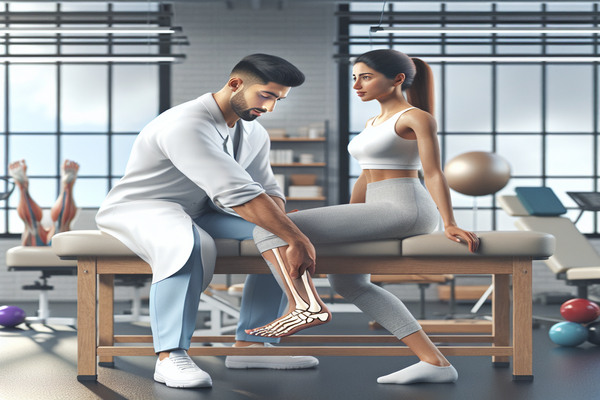
At Rebalance Physio Glasgow, located in Bearsden, Greater Glasgow, we recognize that proper foot mechanics play a crucial role in your overall health. Many patients are unaware that foot mechanics can influence everything from posture to the health of your knees and hips. This blog post delves into the intricate connection between foot mechanics and the rest of your body, offering insights into common foot conditions, treatment options, and practical advice to maintain optimal health.
What Causes Poor Foot Mechanics?
Poor foot mechanics can arise from various factors, including:
- Structural Abnormalities: Conditions such as flat feet, high arches, and bunions can affect how you distribute weight on your feet.
- Inadequate Footwear: Wearing shoes that lack support or do not fit properly can lead to misalignment and pain.
- Injury: Past injuries, particularly to the ankle or foot, can impact how you walk and run.
- Muscle Weakness or Imbalance: Weakness in the small intrinsic muscles of the foot or overall muscle imbalances can affect stability.
How Do Foot Mechanics Impact the Body?
The feet are the foundation of your body, and their mechanics significantly influence overall physical well-being. Here are some areas affected:
- Posture: Poor alignment and mechanics can lead to a hunched posture, which can strain the spine and lead to chronic back pain.
- Knee Pain: Misalignment in the feet can affect the knee, often resulting in conditions such as patellofemoral pain syndrome or runner's knee.
- Hip and Lower Back Pain: Poor foot function can cause compensatory patterns leading to discomfort or injury in the hips and lower back.
- Mobility Issues: Over time, improper mechanics can lead to stiffness and reduced range of motion in the lower extremities.
Common Foot Conditions Linked to Poor Mechanics
Poor foot mechanics can contribute to several common conditions, including:
- Plantar Fasciitis: Inflammation of the plantar fascia can occur from overpronation or oversupination.
- Achilles Tendinitis: Improper foot mechanics can place excess strain on the Achilles tendon, leading to pain and inflammation.
- Metatarsalgia: This condition causes pain in the ball of the foot, often linked to abnormal weight distribution.
- Shin Splints: Poor foot mechanics can result in excessive stress on the shins, leading to pain and discomfort during physical activity.
How Can I Treat Foot Mechanics Issues?
Treatment for poor foot mechanics often involves a multi-faceted approach. Here are key strategies:
- Custom Orthotics: These are specialized shoe inserts designed to correct alignment and provide support tailored to your foot structure.
- Footwear Assessment: Consult with a podiatrist at Rebalance Physio Glasgow to ensure you are wearing shoes that support your foot type and activity level.
- Physical Therapy: Targeted exercises to strengthen the feet, ankles, and legs can improve stability and mechanics. A physiotherapist can guide you through a tailored exercise program.
- Manual Therapy: Techniques such as joint mobilization and soft tissue work can alleviate pain and restore function.
Preventing Future Foot Mechanics Problems
Prevention is key when it comes to maintaining foot health. Consider the following tips:
- Choose Supportive Footwear: Invest in shoes that offer adequate arch support and cushioning.
- Engage in Regular Foot Exercises: Simple exercises like toe curls, calf raises, and stretching can enhance strength and flexibility.
- Maintain a Healthy Weight: Excess weight can put additional stress on your feet and joints.
- Seek Regular Foot Evaluations: Regular assessments by a podiatrist can help identify early signs of issues.
Frequently Asked Questions (FAQ)
1. Can flat feet cause back pain?
Yes, flat feet can disrupt your body’s alignment, leading to compensatory movements that strain the back and result in pain.
2. How can I tell if my shoes are contributing to foot pain?
Signs include discomfort during or after wearing them, visible wear patterns, or if the shoe lacks adequate arch support.
3. Are custom orthotics worth the investment?
Custom orthotics can alleviate pain related to poor foot mechanics, and many patients report improved comfort and function when using them.
4. How often should I replace my athletic shoes?
Generally, it’s recommended to replace athletic shoes every 300-500 miles of use, or sooner if you notice reduced support and cushioning.
5. When should I see a podiatrist?
If you experience persistent foot pain, changes in foot shape, or any concerns about your foot mechanics, it’s advisable to seek professional evaluation.
Conclusion
Your foot mechanics are pivotal to your overall health and affect many areas of your body, from posture to joint integrity. At Rebalance Physio Glasgow in Bearsden, Greater Glasgow, we are dedicated to helping you understand and treat any foot-related issues. Take the first step towards better health today by booking an appointment. Visit our contact page to schedule your consultation.