Tips & Advice From Rebalance Physio Glasgow
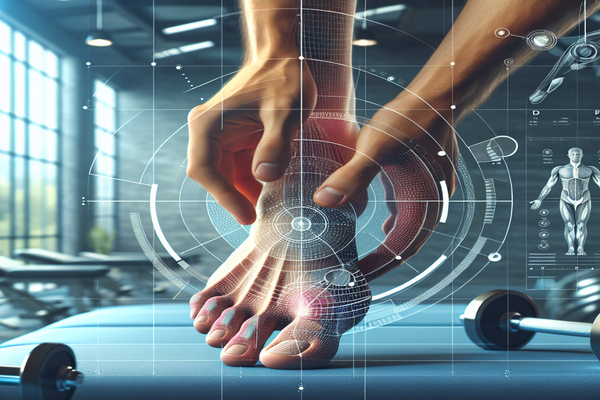
Why Your Foot Mechanics Affect Your Whole Body
Understanding Foot Mechanics and Their Impact on Overall Health
Welcome to Rebalance Physio Glasgow, located in Bearsden, Greater Glasgow. Understanding how your foot mechanics affect your whole body is essential in maintaining overall health and preventing injuries. Poor foot function can lead to a cascade of issues that affect various joints and muscles throughout your body. This article will explore the importance of foot mechanics and how they relate to your overall health.
What Causes Poor Foot Mechanics?
Poor foot mechanics can arise from several factors, including:
- Structural Abnormalities: Conditions such as flat feet (pes planus) or high arches (pes cavus) can alter the way weight is distributed across the foot and lead to various compensatory movements.
- Weak Muscles: Weakness in the intrinsic and extrinsic muscles of the foot can impact balance and proper function, leading to problems throughout the kinetic chain.
- Poor Footwear: Wearing inappropriate or ill-fitting shoes can exacerbate existing foot problems and contribute to poor body mechanics.
- Injury: Previous injuries to the foot, ankle, or lower limbs can cause long-term changes in mechanics that affect overall posture and movement patterns.
How Do Foot Mechanics Affect the Whole Body?
The feet serve as the foundation for the entire body. Any misalignment or dysfunction in foot mechanics can influence several areas:
- Knee Problems: Misalignment in the foot can lead to improper tracking of the knee joint, resulting in conditions such as patellofemoral pain syndrome or ligament injuries.
- Hip and Lower Back Pain: Compensatory changes due to foot issues can increase stress on the hips and lower back, potentially leading to chronic pain or injury.
- Postural Issues: The feet play a crucial role in maintaining an upright posture. Poor foot mechanics can lead to compensatory postural changes, affecting coordination and balance.
What Are Common Foot Conditions Related to Poor Mechanics?
Several common foot conditions can arise from poor foot mechanics, including:
- Plantar Fasciitis: Inflammation of the plantar fascia can occur due to excessive pronation or other mechanical issues, leading to heel pain.
- Achilles Tendinitis: Poor foot alignment may strain the Achilles tendon, resulting in pain at the back of the ankle.
- Bunions: Structural changes in the foot can lead to bunion formation, which can cause not only local discomfort but also impact overall gait and posture.
- Stress Fractures: Abnormal loading patterns due to poor mechanics can increase the risk of stress fractures in the foot and lower leg.
How Can I Improve My Foot Mechanics?
Improving foot mechanics requires a multifaceted approach:
- Proper Footwear: Invest in supportive shoes that fit properly. Consider consulting with a podiatrist for recommendations based on your specific foot structure.
- Physical Therapy: Engaging in a physical therapy program can help strengthen the muscles of the foot and lower leg, promoting better alignment and function.
- Custom Orthotics: Custom-made foot orthotics can help correct biomechanical imbalances and provide support where needed.
- Exercises: Simple exercises such as toe curls, calf raises, and arch lifts can enhance strength and flexibility, improving overall foot function.
When Should I See a Podiatrist?
If you experience persistent foot pain or any of the aforementioned foot conditions, it's crucial to consult a podiatrist. Early intervention can prevent further complications and more extensive treatments down the line. Visit the experts at Rebalance Physio Glasgow to evaluate your foot mechanics and receive tailored treatment strategies.
FAQ
1. What are the signs of poor foot mechanics?
Signs may include frequent foot pain, ankle instability, knee pain, hip discomfort, or chronic back pain without an apparent cause.
2. Can custom orthotics really help with foot mechanics?
Yes, custom orthotics can provide the necessary support and correction for structural issues, helping to improve overall foot mechanics and reduce pain.
3. How long does it take to improve foot mechanics?
Improvement timelines can vary based on the individual's condition, commitment to treatment, and the specific approach taken. Generally, significant improvements can be observed within a few weeks to months.
4. Are there exercises I can do at home to improve my foot mechanics?
Yes, exercises such as toe stretches, calf raises, and arch lifts can be beneficial. It's advisable to consult a therapist for a tailored exercise plan.
5. What happens during a podiatry assessment?
A podiatry assessment typically includes a physical examination of your feet and legs, analysis of your gait, and possibly diagnostic imaging to evaluate any structural issues.
Conclusion
Your foot mechanics play a vital role in your overall body health. If you are experiencing any issues related to your foot mechanics, don't hesitate to reach out to us at Rebalance Physio Glasgow in Bearsden, Greater Glasgow. Our team is dedicated to helping you achieve optimal foot health and overall well-being. For more information or to book an appointment, please contact us here.

Ask Rebalance Physio Glasgow And Their Team
Fill in the form to request a call from our team. One of our team members will call you for FREE and answer any questions or concerns you may have about your condition
Where To Find Rebalance Physio Glasgow
If you have any questions before scheduling an appointment or for general inquiries, please use the contact us button below. Our team will promptly reach out to assist you.
Opening Hours
Monday : 9am - 5pm
Tuesday : 9am - 5pm
Wednesday : 9am - 5pm
Thursday : 9am - 5pm
Friday : 9am - 5pm
Saturday : Closed
Sunday : Closed